Accra College of Education
About
Accra College of Education was established in November, 1902 at Accra New Town as a Government Teacher Training College with an initial intake of nineteen (19) students, The College was moved to its present site at East Legon in January, 1985. It remained the only non-residential teacher training college until October, 2001 when it gained its full residential status. Over the years, the College has ran different programmes including Certificate ‘A’ 4-year Post Middle; Certficate ‘A’ 2-year Post Secondary; 2-Year Modular Post Middle for pupil teachers; Certificate ‘A’ 3-Year Post Secondary, 3-Year Diploma in Basic Education and is currently running 4-Year Bachelor in Primary Education, and 4-year Bachelor in Junior High Education programmes with specializations largely in the Social Sciences.
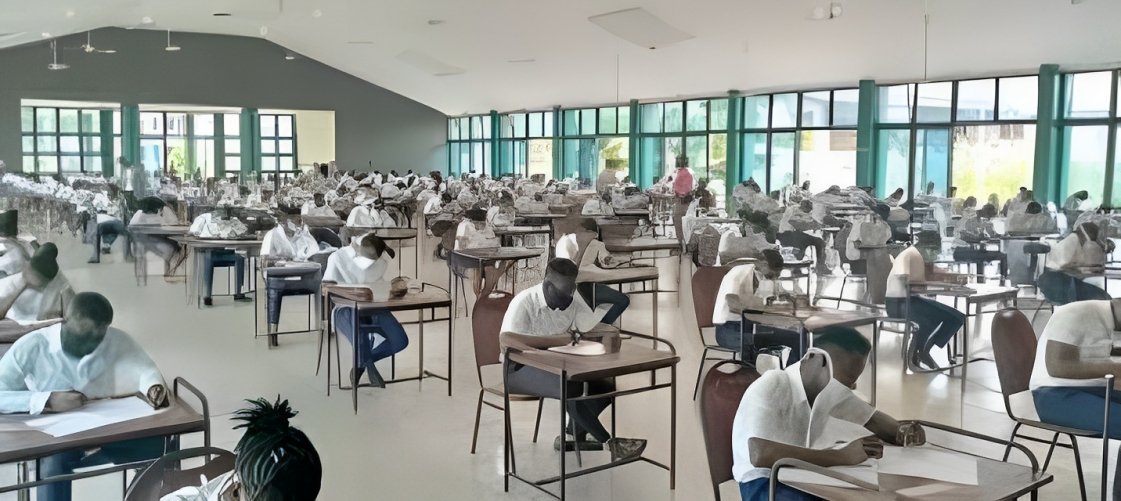
Campus & amenities
Lecture halls, Dining options, Health services, Student housing, Laboratories, Wi-Fi Access, Sponsorships and Grants, Counseling services, Recreational facilities, Technology resources, Counseling services, Academic resources, Transportation, Libraries
Programmes
10 programmes offered
B.ED Primary Education
Programme Overview The Bachelor of Education (BEd.) Primary is a programme designed for teachers who wish to sharpen their teaching competencies in the area of primary education. The programme offers the fl‑exibility of both full- time and part time studies and emphasizes the methodological aspects of the related subject areas which seek to bolster the years of experience garnered by classroom teachers. Development of quality primary teacher education programme to turn out quality primary school teachers who will able to provide all learners, irrespective of their gender, social, cultural, linguistic and ethnic background with the opportunity to acquire the appropriate knowledge, skills, values and attitudes has therefore become paramount. It is against this background that the Four-Year Bachelor of Education (Primary Education) Programme run by the University of Cape Coast and its affiliate Colleges of Education has been designed to help teacher-trainees acquire the necessary knowledge and skills they need to provide more authentic pedagogical contexts and activities that would help pupils to learn how to learn and become independent lifelong learners. In keeping with global trends and the demand for more learner-centred approaches to teaching, coupled with the significant challenges most Ghanaian school children face in the acquisition of functional literacy, numeracy and problem-solving skills, this rationale becomes very significant. Programme Goals & Objectives Goals The programme aims to train pre-service teachers to: become professional teachers who are well-equipped with knowledge, pedagogical skills and the disposition to learn and guide their pupils to meet their learning needs such as development of knowledge, skills, attitudes and values. have a clear grasp of the intended outcomes of their teaching activities to enable them to assess learning and provide equal opportunity to all pupils. promote close working relationship between Colleges of Education/University and local schools through the Supported Teaching in Schools, in order to expose teacher-trainees to hand-on-experience. Objectives The programme seeks to train teachers who will be able to teach all core subjects at the primary level and also specialize in one subject area at that level. The programme therefore specifically seeks to train: generalist teachers to teach Basic Numeracy, Literacy, Integrated Science and Citizenship Education/Environmental and Social Studies at the primary level and specialist teachers in English, Mathematics, Science, Ghanaian Language, ICT, Vocational Skills, Religious and Moral Education, Music and Dance, Physical Education and Citizenship Education/Environmental and Social studies.
B.ED Early Childhood
The B.ED Early Childhood programme focuses on training students with professional competence and dedicated focus on giving children from Zero (0) to Eight years the best possible start to life . Incredible development takes place during the very few years of growth in children. The early childhood is seen as the most significant stage of any child’s development as the brain and psychological changes that occur impacts his or her entire life. The more stimulating the environment is for the child, the more he or she grows intellectually and learns rapidly. The sensitivity of children during these stages makes it of utmost importance to ensure that they receive the best care and education in order for them to reach their full cognitive and social potential. The programme, therefore, covers in-depth study of child development and learning as well as units of study in key learning areas such as (languages, Arts, Mathematics, Health and Wellbeing and Science) and examines the important relationships between the early childhood educator, parents, caregivers and the community. Programme Goals & Objectives Upon successful completion of the programme, graduates will: develop deep affective, cognitive, technical and creative skills to teach effectively at the basic education level. develop advanced knowledge of teaching and learning and apply these in their professional practice. demonstrate ethical understanding and scholarly practice to extend professional practice through enquiry and research. understand the diverse range of cultural practices, safety and wellbeing, and demonstrate responsive relationship with children, families and other stakeholders. develop professional leadership, values and commitment to inclusion and social justice. develop research and problem-solving skills and be able to analyze and interpret data to inform policy, planning and practice.
B.ED JHS Education
Programme Overview The Bachelor of Education (Junior High School Education) programme has been designed to help teacher-trainees acquire the necessary skills to provide more authentic pedagogical contexts and activities that would help junior high school pupils to learn how to learn and become independent lifelong learners. The rationale of the Bachelor of Education (Junior High School Education) programme is also to develop competent teachers who will be able to focus their attention on the processes and critical decisions involved in teaching, fluency in employing a range of teaching strategies, and development of subject knowledge. In keeping with global trends and the demand for more learner-centred approaches to teaching, coupled with the significant challenges most Ghanaian basic school pupils face in the acquisition of functional literacy, numeracy and problem-solving skills, this rationale becomes very significant. Programme Goals & Objectives Goals The programme aims to train pre-service teachers to: become professional teachers who are well-equipped with knowledge, pedagogical skills and the disposition to learn and guide their pupils to meet their learning needs such as development of knowledge, skills, attitudes and values. have a clear grasp of the intended outcomes of their teaching activities to enable them to assess learning and provide equal opportunity to all pupils. promote close working relationship between Colleges of Education/University and local schools through the Supported Teaching in Schools, in order to expose teacher-trainees to hand-on-experience. Objectives The programme primarily seeks to train “specialist” teachers for the junior high school level in the following subject areas: English Language, Mathematics, Science, French, Vocational Skills, Technical Skills, Religious and Moral Education, Social Studies, ICT, Physical Education, Agricultural Science, Ghanaian Language and Music and Dance.
Diploma in Computer Science
Diploma in Information Technology
Diploma in Statistics
Admissions
Contact
Apply
The official application form is available on the university's admissions portal.